your way.
Search 25 islands by vibe, season, language, or sustainability.
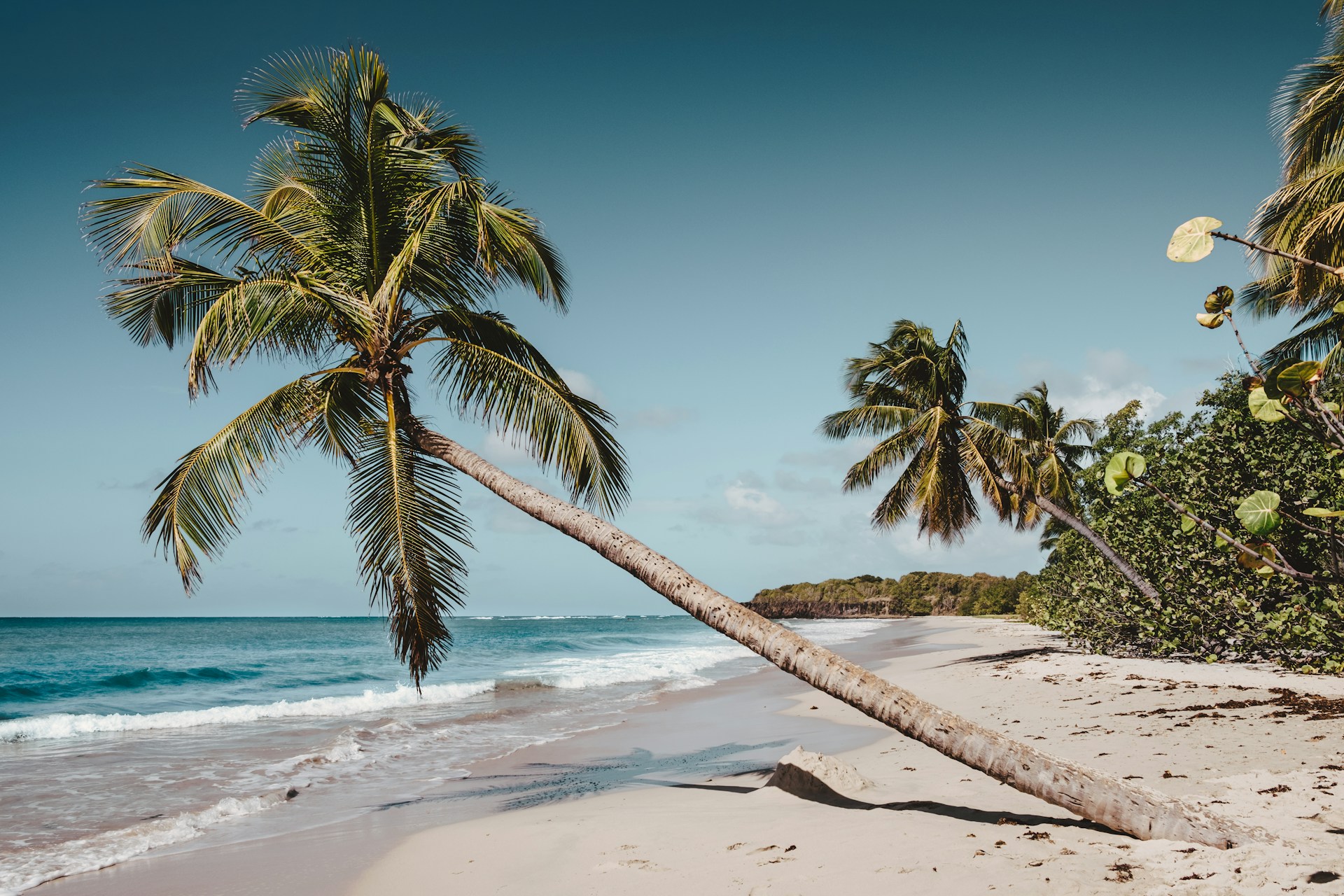
Martinique Travel Guide 2026: Cost, Best Time to Visit & Tips
France in the tropics — rhum agricole, Creole markets, and a volcano that buried a city.
Martinique is a French overseas department — France, but with hibiscus, rhum agricole, and an active volcano. The currency is the Euro, French is the working language, the supermarkets carry French wine and cheese, and the road and health infrastructure is at EU standards. The island's character is split between the lively south (Le Diamant, Les Anses-d'Arlet, beach towns), the urban core around Fort-de-France, and the dramatic north dominated by Mount Pelée, which destroyed Saint-Pierre in 1902.
Martinique invented rhum agricole (distilled from fresh sugarcane juice rather than molasses) and has a deeply Creole food culture under a French gloss. It is one of the easier Caribbean islands for francophone travelers and one of the harder ones for English-only visitors, particularly outside resort areas.
Quick answer
7-day mid-range cost
$1,800
USD · ~$257/day
Best months
December–April
Daily cost breakdown
| Tier | Accommodation | Food | Transport | Activities |
|---|---|---|---|---|
| Budget | $55–95 | $25–45 | $10–25 | $15–30 |
| Mid-range | $150–280 | $50–85 | $30–60 | $40–80 |
| Luxury | $400–900 | $120–220 | $60–120 | $80–200 |
All prices in USD. Per person, per day, unless noted.
Best time to visit
December–April
Dry "Carême" season. Carnival falls in February. June–November is the rainy "Hivernage" with September–October hurricane peak.
Getting there
Main airport
FDF — Aimé Césaire International
Typical direct flights from
What Martinique is known for
Mount Pelée and the ruins of Saint-Pierre (the "Pompeii of the Caribbean"), rhum agricole from distilleries like Clément, Trois Rivières, Saint James, and Neisson, Anse Couleuvre on the wild Atlantic north, Fort-de-France markets, and the August Tour des Yoles round-island regatta. Aimé Césaire's négritude philosophy is part of the island's literary legacy.
Getting around
A rental car ($35–60/day; drive on the right) is the only practical option for most travelers. Buses exist but are limited and infrequent outside Fort-de-France. A TCSP bus rapid transit covers the urban core. Roads are EU-quality and signage is in French.
Related guides
Frequently asked questions
Is Martinique expensive?+
Mid-tier. It is cheaper than St. Barths or the British Virgin Islands but pricier than independent islands like Dominica. Mid-range travel runs $200–350/day. Food in supermarkets is European-priced and reasonable; sit-down French restaurants run on par with mainland France. Rental cars are inexpensive.
What is the best time to visit Martinique?+
December through April for the dry Carême season. February's Carnival is one of the best in the Caribbean, with parades on each of the four days before Ash Wednesday. The rainy Hivernage (June–November) is muggier, with September and October posing the highest hurricane risk.
How many days do you need in Martinique?+
Seven to ten days suits Martinique well — there is more to do than on most Lesser Antilles islands. Plan 3 days in the south for beaches, 2 days in the north for Pelée and Saint-Pierre, 1 day in Fort-de-France, and 1–2 for rum distillery visits and the Atlantic coast.
Is Martinique safe for tourists?+
Yes — as a French department, it has EU-level law enforcement and infrastructure. Petty theft from rental cars at beach parking lots is the most common issue. Otherwise standard precautions apply. Healthcare is excellent and at French national standards.
What is Martinique known for?+
Rhum agricole (which the island invented), Mount Pelée, the ruins of Saint-Pierre, Creole-French cuisine, Aimé Césaire and négritude, and a distinctly French overlay on Caribbean island culture. Joséphine de Beauharnais (Napoleon's first wife) was born here. The Anses-d'Arlet beaches are the postcard south.
Do you need a car in Martinique?+
Yes — almost certainly. Buses are limited and many of the best beaches and rum distilleries are in remote parts of the south and north. Rentals are inexpensive ($35–60/day) and roads are EU-quality. Driving is on the right, which surprises some travelers coming from the British-tradition islands.
Plan Your Trip
Curated tools to book your island getaway. We may earn a commission at no extra cost to you.
Best rates on resorts, villas & apartments
Snorkeling, island hopping, volcano hikes & more
Compare prices across 100+ airlines
Travel medical insurance from $45/month
Free trip budget calculator — plan lodging, food & activities
Free daily-budget tracker — protect every dollar
Rent, cost of living, safety and climate, town by town across the Dominican Republic.

By Maya Charles — Caribbean Travel Editor
Last updated: April 8, 2026